


- HOME
- >
- PRODUCTS
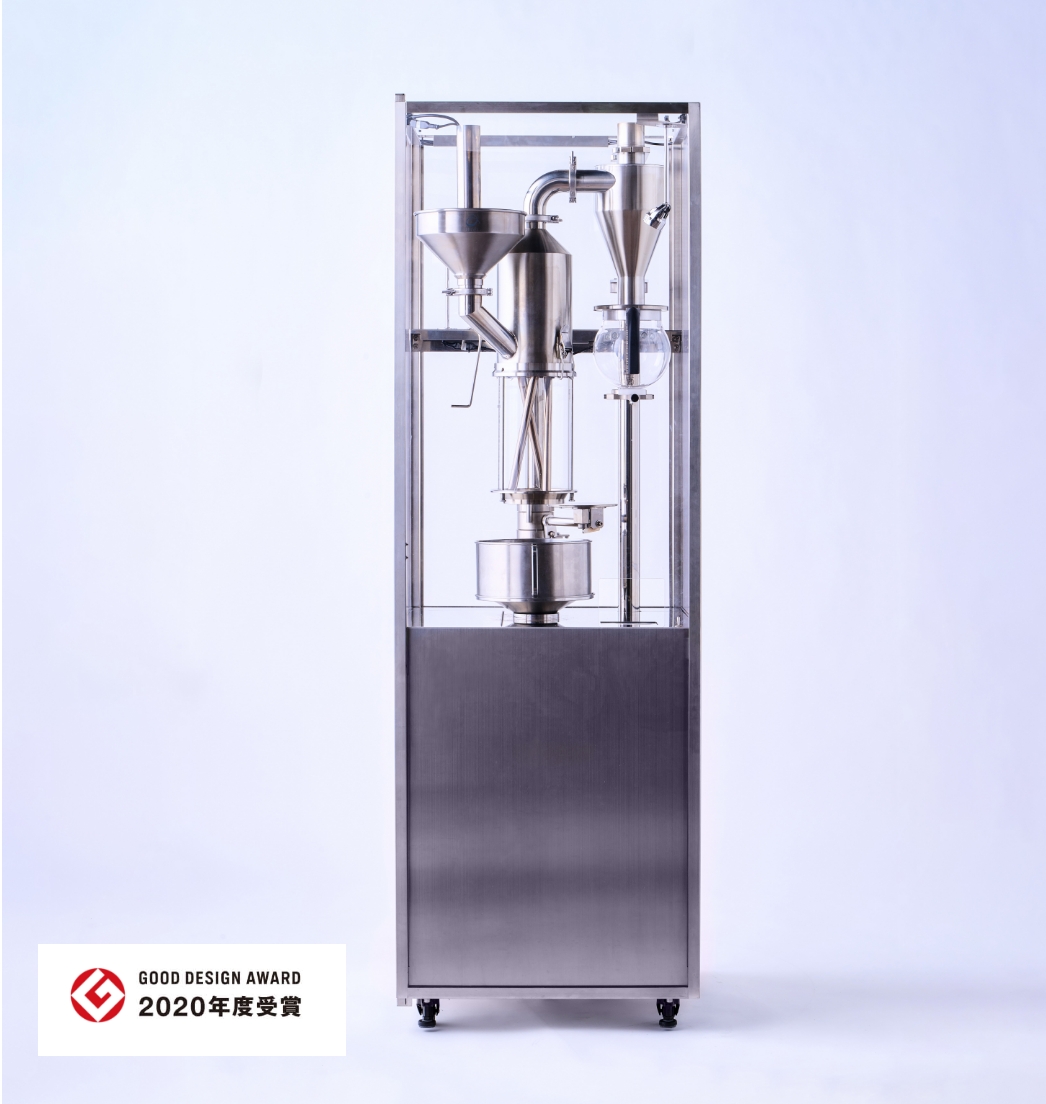
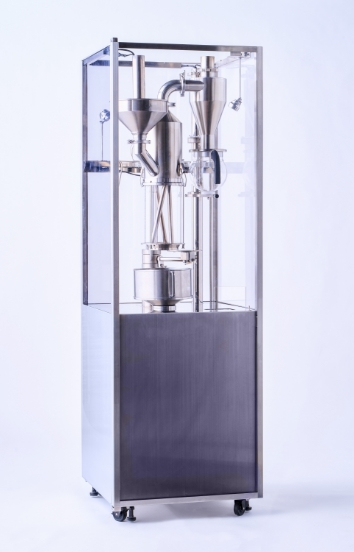
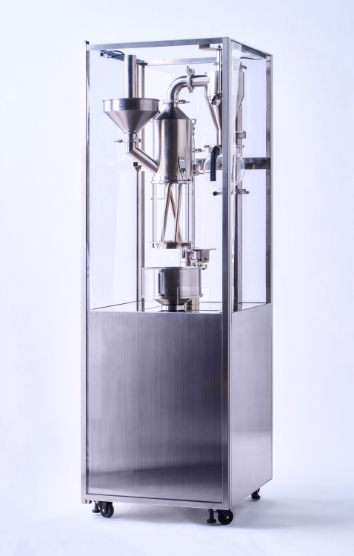

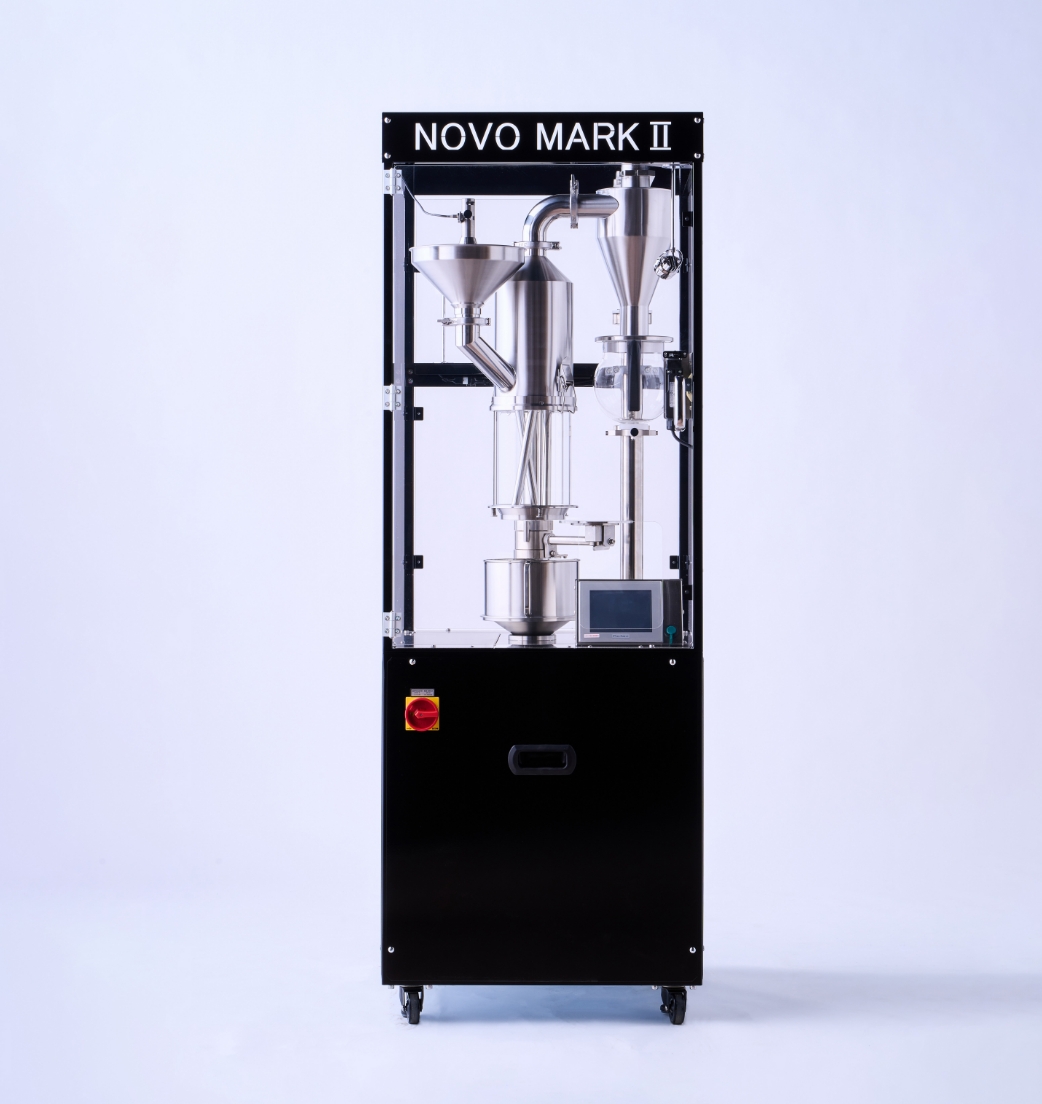
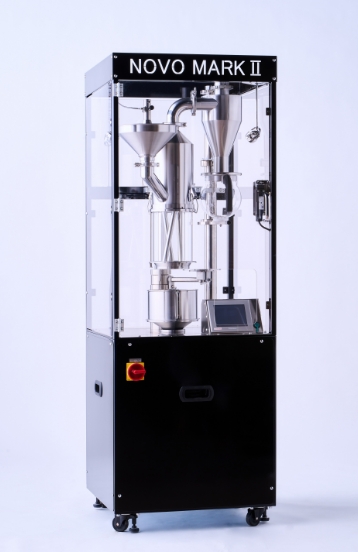
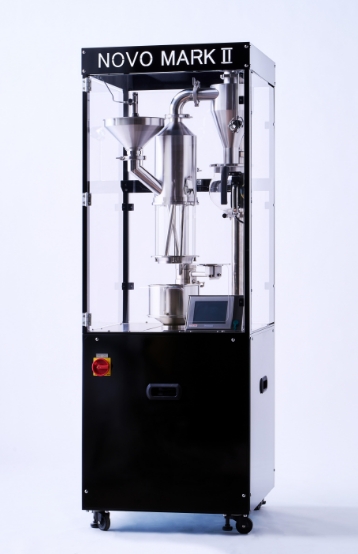
NOVO MARKⅡ
Key features of the NOVO
automatic roasting machine.
Consistency
Temperature, airflow, and time—control all three at once.
Since anyone can roast coffee consistently, your shop's flavor remains stable. Even challenging beans such as specialty or decaf can fully express their unique qualities. This is perhaps the most valuable advantage of NOVO.
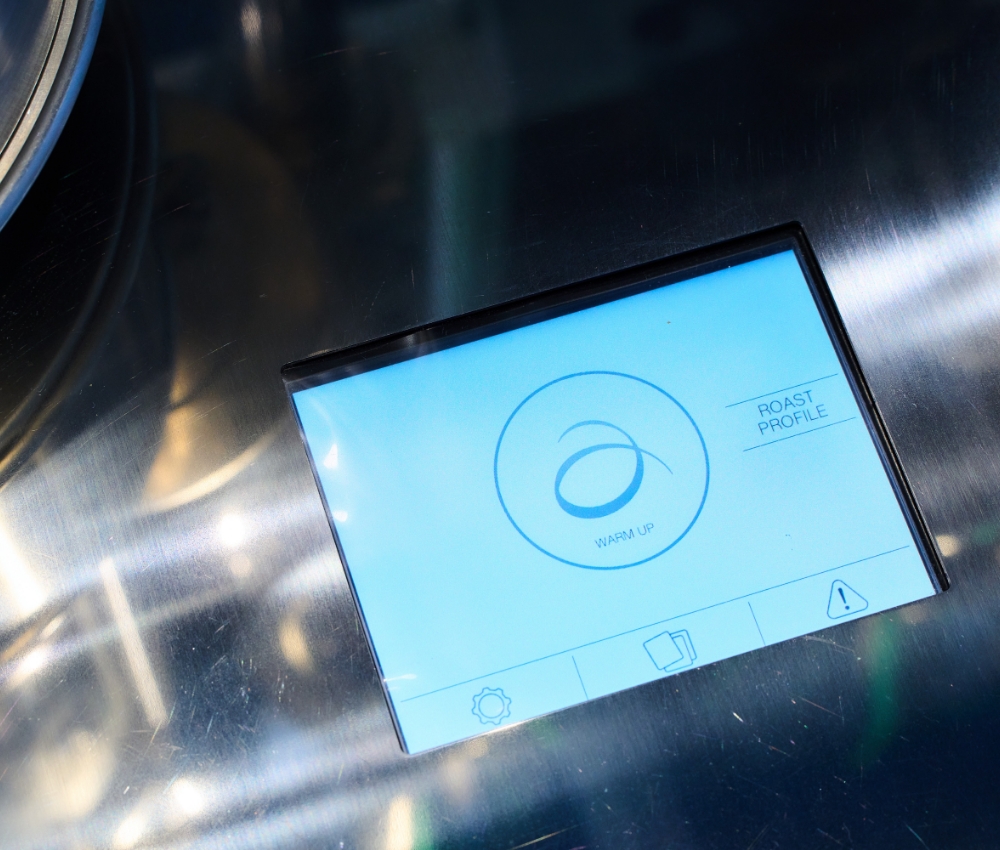
The most distinctive feature of the NOVO series of automatic roasters is that they allow anyone to easily control temperature, airflow, and time all at once—enabling stable, reproducible roasting with the touch of a button in a short amount of time.
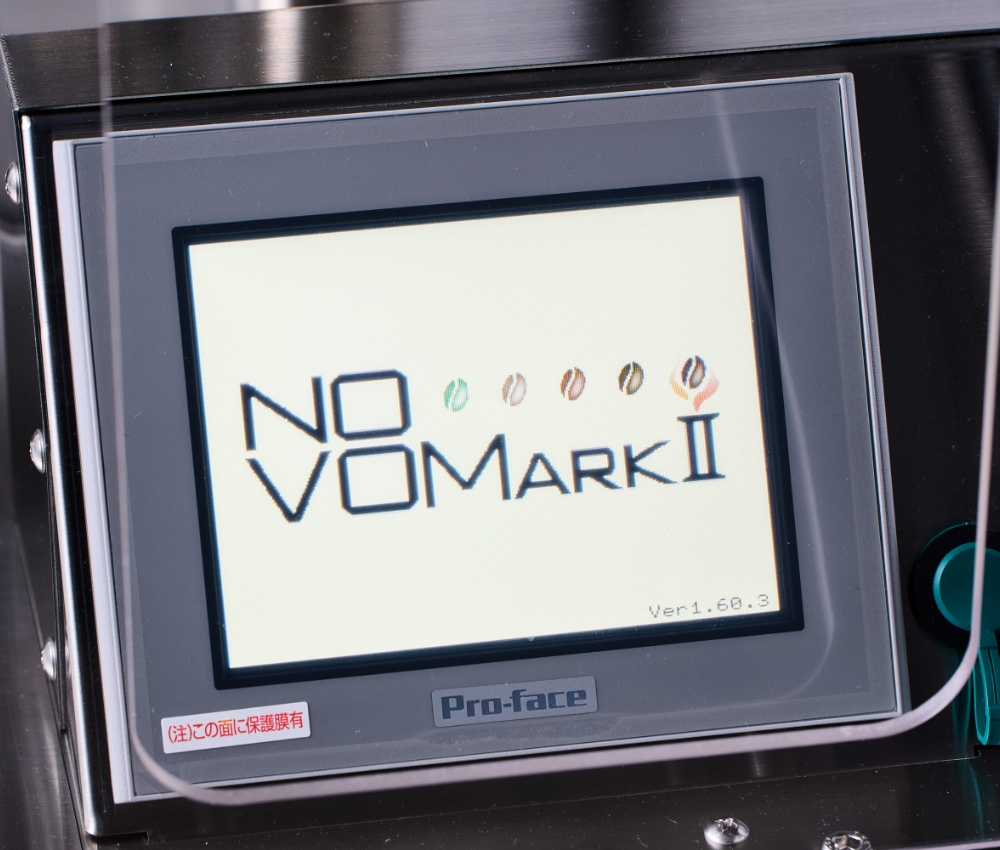
Preloaded with 50 to 150 artisan‑level programs optimized for each bean, NOVO lets anyone roast from light to dark with simple touchscreen controls. You can also create and save your own roasting profiles.
Safety
Flameless hot-air roasting
Virtually eliminates the risk of fire—one of the great advantages of our NOVO roasters. Many roasters have had a close call with roaster fires; our safety mechanisms address that risk.
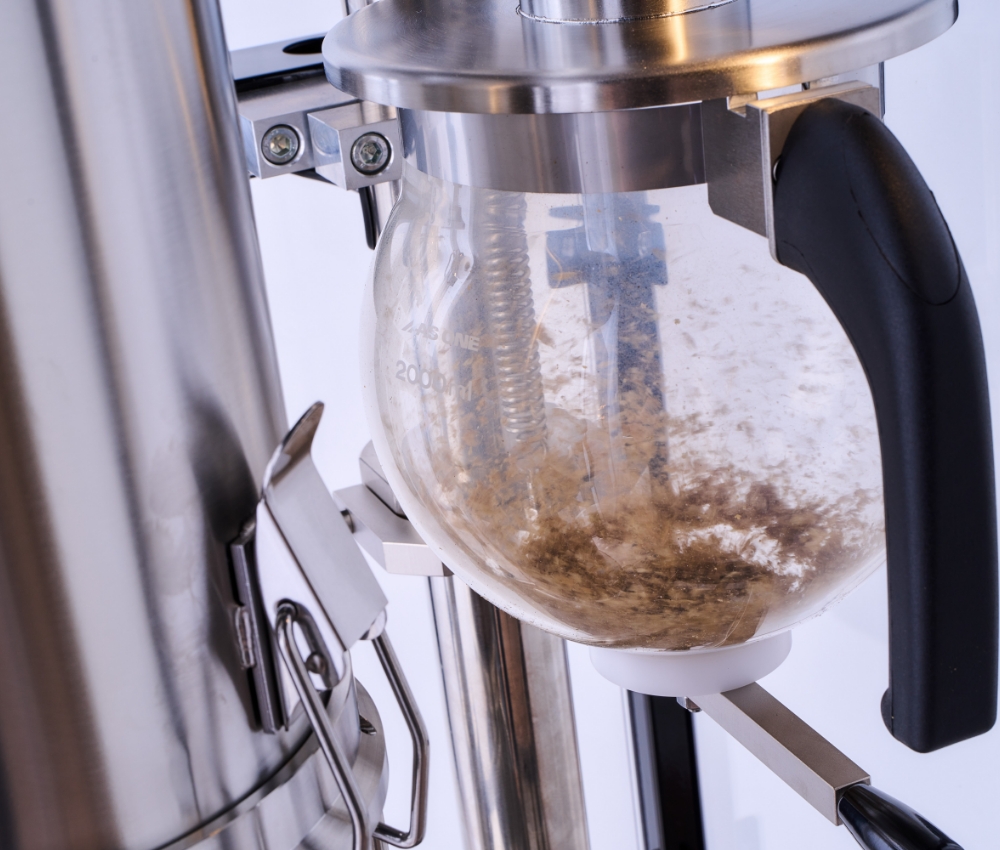
The main cause of roaster fires is chaff (also called "silver skin")—the thin husk released when green beans are roasted.
It can also cause smoke and off-flavors.
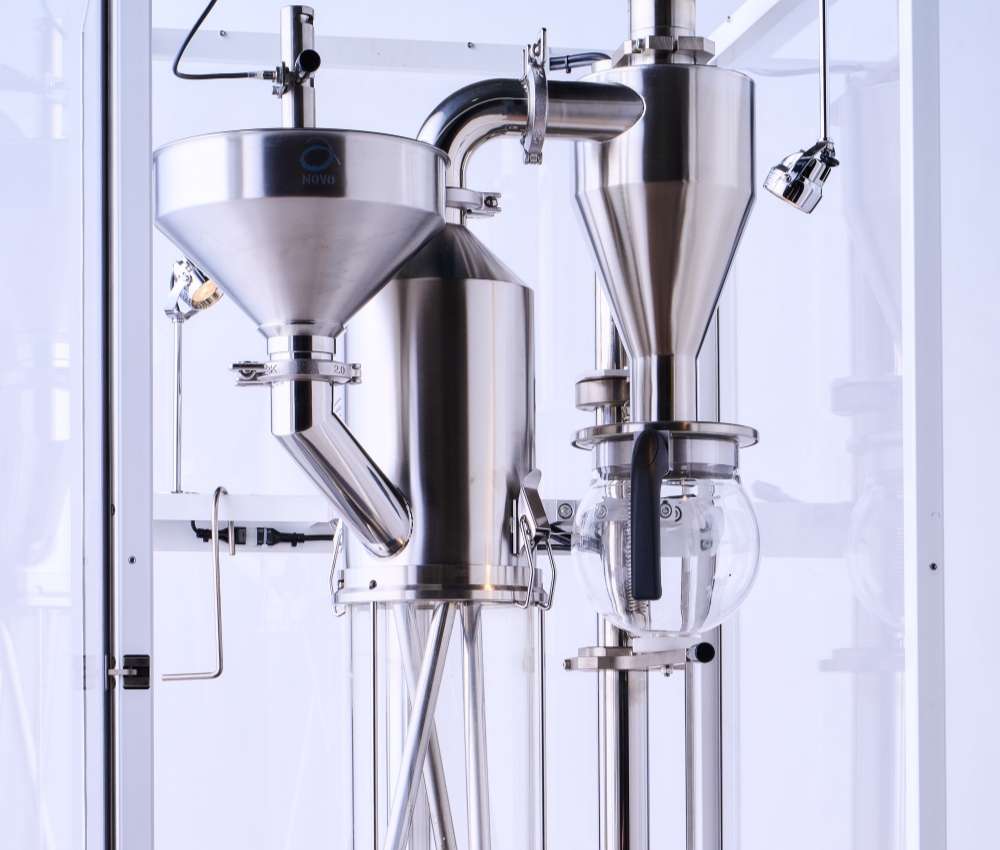
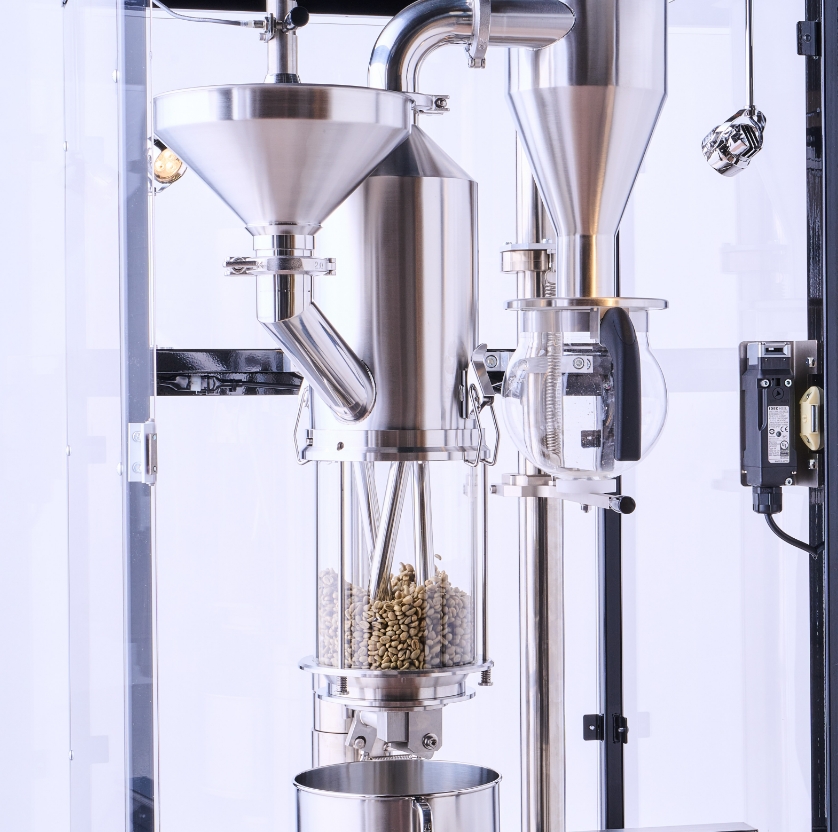
NOVO automatically removes chaff by swirling hot air like a cyclone during roasting and collects it in a spherical glass bowl. This greatly reduces noise and smoke, and helps prevent fires.
In addition, with NOVO's all-electric design and flameless hot‑air roasting, it is possible to install and roast coffee in residential areas, commercial facilities, shopping malls, and other locations where the installation of roasting machines was previously a concern.
Easy Maintenance "NOVO MARKⅡ"
Ease of use
Roast as you like.
When people hear “roasting,” they often imagine learning to be a skilled roasting master, which seems a little intimidating. But the NOVO series automates the craft, said to take at least eight years to master, using high-tech engineering MADE IN KYOTO.
With the touch of a button, you can enjoy coffee with bold bitterness or bright, fruity acidity — all complemented by a rich aroma crafted to your taste.
Daily maintenance is simple, too. No tools needed—anyone can take it apart and clean it, keeping it looking pristine for years.
Development, Manufacturing,
Sales & Maintenance
MADE IN KYOTO
Long-lasting relationships
made
possible by our
one-stop service.
Japan has very few domestic coffee‑roaster manufacturers. As a result, many products are developed in Europe, manufactured in China, sold through Japanese trading firms, and maintained by local third‑party contractors.
We believe having all of these elements concentrated in Kyoto offers tremendous value to our customers.
We have a deep commitment to the NOVO brand and to supporting our customers with genuine care.
Any issues discovered during maintenance are promptly communicated to our development team, ensuring continuous improvement.
Since launching NOVO in 2012, we’ve continuously refined and evolved the series step by step.
There are very few brands like this. We sincerely hope you’ll experience the true value of MADE IN KYOTO.
At Daiichi Denshi,Inc. we provide a one-stop service that includes consultation on implementation, contract procedures, and after-sales service.
Founded in 1966, we provide long-term support for your business with Kyoto-honed craftsmanship and dedicated after-sales service.
Features of the Hot-Air Roasting
Method Used by the NOVO Series
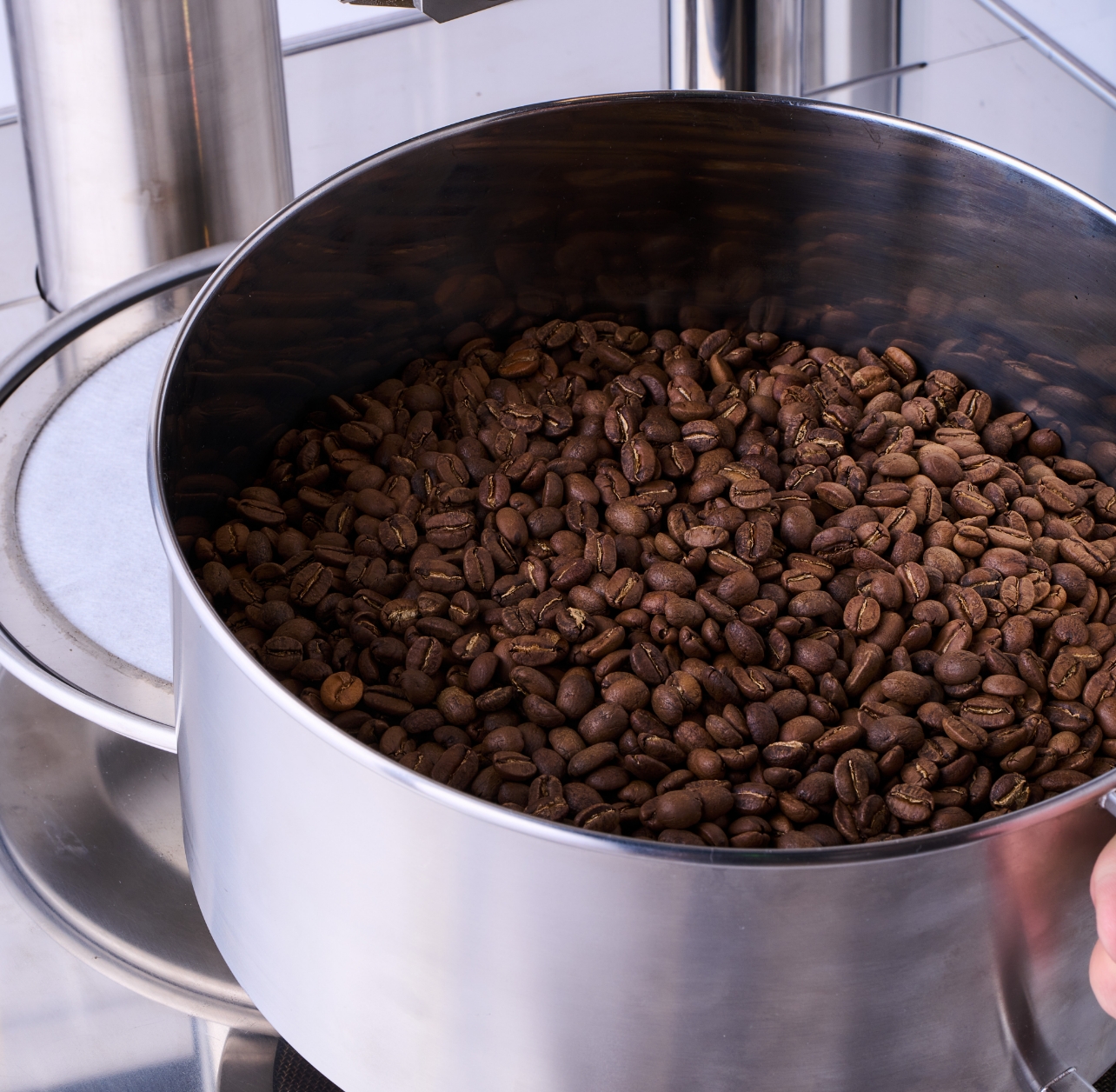
Unlocking the full potential of your beans
Just as coffee beans are classified into Arabica and Canephora (Robusta), and green beans are processed by natural or washed methods, roasting machines can broadly be divided into two types: hot-air and direct-flame.
Buying several types of coffee beans isn't much of a burden, but purchasing both types of roasters would be a significant investment—so in most cases, you'll need to choose one or the other.
For roasters — and those aspiring to become one — selecting a roaster is a major turning point. It determines the flavor of a coffee that ultimately reflects personal preference.
In general, hot-air roasting produces a cleaner, easier-to-drink coffee compared to direct-flame roasting.
On the other hand, some say it lacks a bit of depth.
However, we also hear that hot‑air roasting is ideally suited to the Third Wave / Specialty Coffee movement and to "roasting that values unique aromas."
In recent years, as coffee flavors are increasingly described as "wine-like" or "grapefruit-like," hot-air roasting has proven especially effective at bringing out these characteristics.
Compared to direct-flame roasting, it produces less smoke and burnt odor, resulting in more vibrant aromas.
Our NOVO series represents our state-of-the-art hot-air roasters, packed with our most advanced technology.
The Strengths of
Hot-Air Roasting
FewerFailures

Almost no uneven roasting.
○ Hot-air type

Prone to uneven roasting
△ Direct-flame type
A common issue with direct‑flame roasting is that while the surface of the bean is roasted, the inside remains undercooked. Have you ever bought light roast beans only to find they had an unbelievably harsh acidity?
With light roasts, you need to cut the heat early to prevent harshness. This requires skilled judgment every time.
However, hot-air roasters rarely produce under-roasted beans because the heat gradually penetrates to the center of each bean. This is why large roasting facilities predominantly use hot-air roasters.
Because hot air agitates the beans, heat is evenly transferred all the way to the center. This makes uneven roasting due to bean size far less likely. Even if there are slight differences in appearance, the inside is always thoroughly roasted—this is a key characteristic of hot-air roasting.
Among hot‑air roasters, the NOVO model stands out for its consistently stable results and exceptional reproducibility, achieved through precise control of temperature, airflow, and time.
LowSmoke

Chaff is blown away by hot air, so there is very little smoke.
○ Hot-air type

During roasting, chaff burns easily and tends to produce a lot of smoke.
△ Direct-flame type
Compared to direct-flame roasters, hot-air roasters are designed to produce far less smoke.
Conventional direct-flame roasters roast the chaff (the thin skin covering coffee beans) along with the beans during the roasting process.
Chaff is highly flammable, and when exposed to flame, it produces a significant amount of smoke. This is why direct‑flame roasting produces more smoke, resulting in a bolder, smokier flavor.
The smoke can be so intense that it could be mistaken for a fire, forcing roasters in urban areas to install smoke-suppression equipment costing as much as the roaster itself.
Additionally, there have been cases with direct‑flame roasters where burning chaff entered the exhaust ducts and started fires. Such incidents have made it difficult to gain approval from building owners and nearby residents.
On the other hand, hot‑air roasters use heated air to roast the beans, producing very little smoke and making the chaff far less likely to ignite.
By separating chaff from the beans early in the roasting process and collecting it in a dedicated chaff bottle, the NOVO roaster significantly reduces the source of smoke. As a result, NOVO can roast reliably with minimal smoke — even in urban settings.
Compatiblewith
SpecialtyCoffee

Not only can you directly offer customers the vibrant aromas and rich flavors of specialty coffee, but you can also start developing your own original coffee blends with just one touch.
Recently, specialty coffees with wine‑like flavors have emerged, shaped by the producer’s dedication, varietal selection, and processing method.
Until fairly recently, there were established roasting levels for coffees—Mandheling deep, Kilimanjaro slightly lighter, and Mocha somewhere in the middle. However, with specialty coffees, whose flavors vary dramatically by farm and harvest year, it becomes necessary to determine the roast level that brings out each coffee’s unique characteristics to the fullest.
Finding the ideal roast level requires a great deal of green beans and time.
Because these beans are produced with such care and craftsmanship, they naturally come at a higher price.
When it comes to roasting high‑quality green beans, many people start by relying solely on intuition and experience, feeling their way through trial and error and unsure of how best to approach these premium beans.
That’s where NOVO excels. Hot‑air roasting is forgiving, small batches (from 100 g) are possible, the roasting programs ensure consistent results, and each batch takes only about five minutes—making NOVO an ideal match for bringing out specialty coffee’s aroma and flavor.
Because NOVO prevents the smoky chaff aroma from clinging to the beans, it brings out refined, wine‑like flavors that only NOVO can deliver. It’s a taste that makes roasting truly rewarding—letting you offer customers a cup worthy of any master roaster with ease.
Of course, some roasters aim for the best of both worlds—like semi-hot-air models—delivering the deep richness or smoky aroma of direct-fire roasting. But first, we invite you to experience the NOVO hot-air roaster.
Key features of the NOVO
automatic roasting machine.